

When people think of Indonesian fermented foods, dishes like tempeh, tape, or even fermented durian dishes often come to mind.
However, in West Sumatra, fermentation plays a much quieter and less dominant role in everyday cuisine.
Minangkabau food is famous for its bold spices, coconut milk richness, and slow-cooked techniques such as rendang.
Yet behind these strong culinary traditions lies a smaller, often overlooked category of foods shaped by fermentation and preservation methods.
Most notably, dadiah, the traditional fermented buffalo milk, stands as the region’s most iconic fermented product.
But it is not alone. Other foods such as tapai ketan, asam kandis, and baluik kariang also reflect elements of fermentation or traditional preservation techniques.
Together, these foods tell a deeper story about how West Sumatra uses natural processes not only to preserve ingredients but also to create unique flavours and textures.
1. Dadiah: The Heart of Minangkabau Fermentation
Among all fermented foods in West Sumatra, Dadiah is by far the most unique and culturally significant.
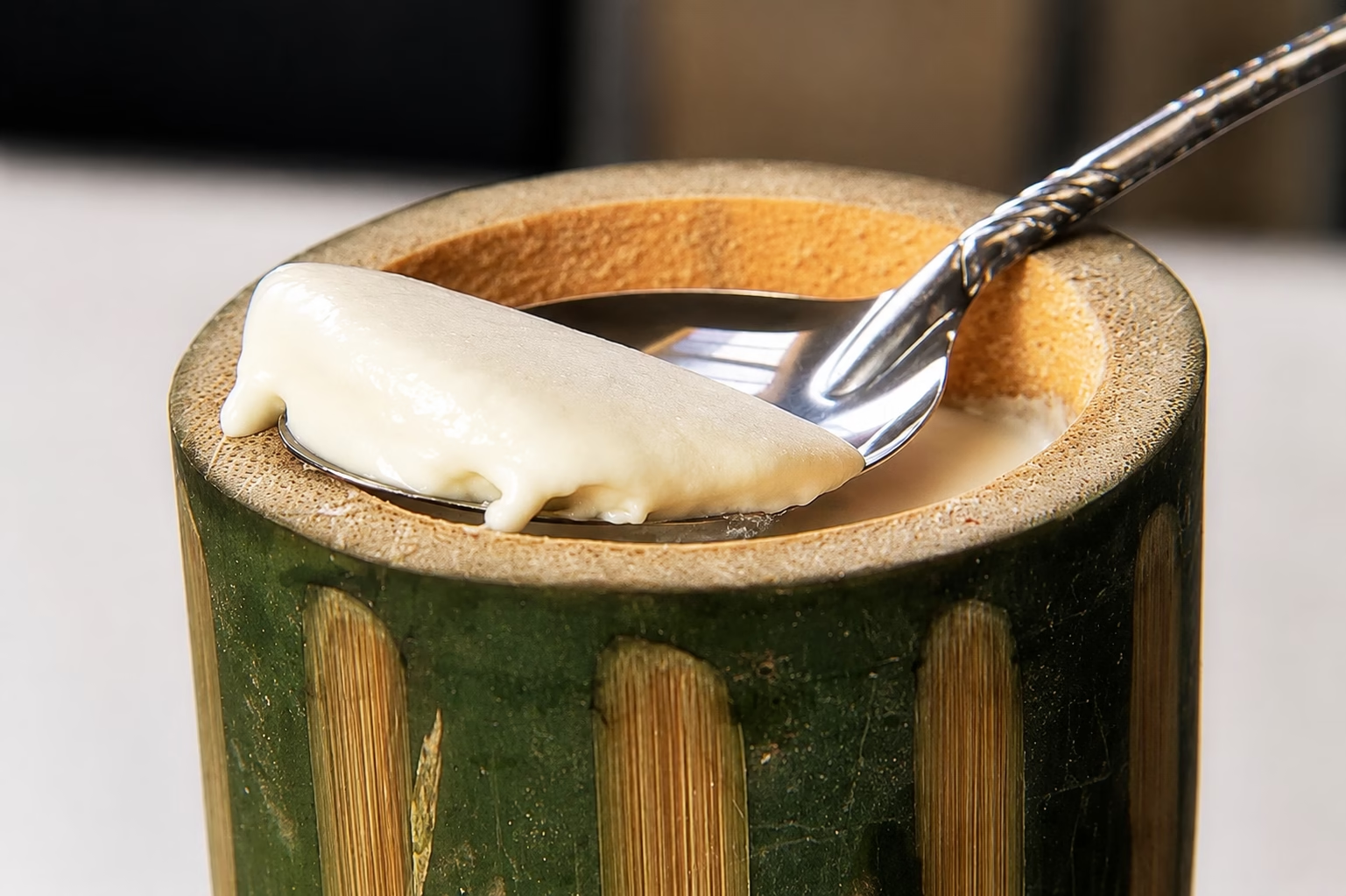
Dadiah is made by fermenting fresh buffalo milk inside bamboo tubes, sealed with banana leaves and left at room temperature for about one to two days.
What makes dadiah special is that it uses natural wild bacteria, without any added starter culture.
This traditional method has been passed down for generations, particularly in regions such as Agam, Bukittinggi, and Tanah Datar.
The result is a creamy, slightly tangy product with a texture similar to yogurt but a more natural and earthy flavour.
Dish Example: Ampiang Dadiah
One of the most famous ways to enjoy dadiah is in Ampiang Dadiah, a refreshing traditional dish made with:
- Dadiah
- Ampiang (flattened rice flakes)
- Palm sugar
- Coconut milk
This dish is especially popular as a breakfast or light snack. The combination of sour, sweet, and creamy flavours makes it a perfect introduction to Minangkabau fermentation.
Dadiah is the only fermented food in West Sumatra that is both indigenous and identity-defining, making it a true culinary symbol of the region.
2. Tapai Ketan: A Shared but Loved Fermented Treat
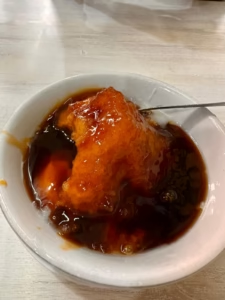
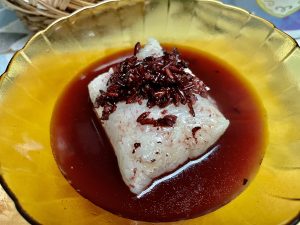
Another fermented food commonly found in West Sumatra is tapai ketan, usually made from black or red glutinous rice.
Tapai is created using a fermentation starter called ragi, which converts starch into sugar and alcohol.
The result is a soft, fragrant rice with a sweet and slightly tangy taste.
While tapai is widely found across Indonesia, it remains a popular part of West Sumatran culinary culture, especially during celebrations and traditional events.
Dish Example: Lamang Tapai
A classic Minangkabau pairing is Lamang Tapai, which combines:
- Lamang (glutinous rice cooked in bamboo with coconut milk)
- Tapai ketan
The smoky, rich flavour of lamang complements the sweet and slightly fermented taste of tapai.
Unlike dadiah, tapai is not unique to West Sumatra, but its pairing with lamang gives it a distinct local identity.
3. Asam Kandis: Subtle Fermentation in Everyday Cooking
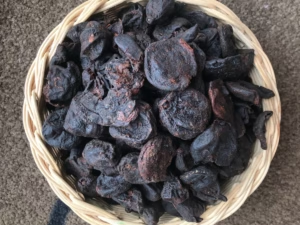
Asam kandis is a dried slice of Garcinia fruit, widely used as a souring agent in Minangkabau cuisine.
Although it is not a fully fermented product like dadiah or tapai, its preservation process involves drying and natural biochemical changes that can include mild fermentation.
This ingredient is essential in many traditional dishes because it provides a subtle sourness that balances rich and spicy flavours.
Dish Example: Gulai with Asam Kandis
Asam kandis is commonly used in:

- Fish curry; Gulai ikan (coconut-based curry)
- Pangek Ikan, Daging or Jackfruit; spicy seafood dishes
In these dishes, asam kandis adds depth and helps cut through the heaviness of coconut milk.
Asam kandis represents how West Sumatra uses preservation techniques that overlap with fermentation, even if the process is less visible.
4. Baluik Kariang: Traditional Protein Preservation
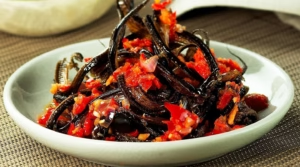
Baluik (eel) is a well-known ingredient in West Sumatran cuisine. One traditional form is baluik kariang, or dried eel.
The process involves cleaning, salting, and drying the eel, sometimes followed by smoking.
While this is primarily a preservation method, light fermentation can occur during the salting stage, contributing to its deeper flavour.
Dish Example: Baluik Balado
One of the most interesting preparations is Baluik Balado, where dried or smoked eel is fried and mixed with chilli sauce.
This creates a rich and intense version of the classic Minangkabau food.
Baluik kariang highlights how West Sumatra traditionally preserves protein rather than relying heavily on fermentation techniques.
5. Tuak: Traditional Fermented Drink of West Sumatra
Beyond solid foods, fermentation in West Sumatra also appears in the form of traditional beverages, most notably tuak.
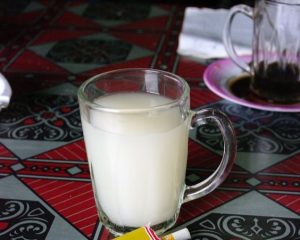
Tuak is a naturally fermented drink made from nira (sap) collected from palm trees such as aren (sugar palm) or coconut, as well as from fermented rice.
The sap is left to ferment in closed containers, where natural processes convert sugar into alcohol, producing a mildly alcoholic drink with a distinctive aroma.
Historically, tuak has been part of Minangkabau society long before the colonial era.
It has been used not only as a drink, but also in cultural gatherings, traditional ceremonies, and even as a form of traditional medicine, believed to help with stamina and relaxation.
Types of Tuak in West Sumatra
There are three main types of tuak found in the region, each with its own characteristics:
1. Tuak Aren
- Made from fermented sap of the aren (sugar palm)
- Slightly sweet with a strong, distinctive aroma
- Typically brownish in colour
2. Tuak Kelapa
- Made from coconut sap
- Lighter, fresher taste with a mild sweetness
- More commonly produced due to the abundance of coconut trees
3. Tuak Beras
- Made from fermented glutinous rice
- Has a sharper, slightly sour taste
- Less common, but still found in certain areas
How Tuak is Consumed
Unlike dadiah or tapai, tuak is rarely turned into a dish. Instead, it is:
- Consumed fresh, usually within 24 hours of fermentation
- Served in traditional containers such as plastic bucket or jerrycans
- Enjoyed during social gatherings or local events
Tuak shows that fermentation in West Sumatra is not only about food, but also about social and cultural practices, where the process of fermentation plays a role in community life.
A Cuisine Shaped More by Fire Than Fermentation
When compared to other regions in Indonesia, West Sumatra stands out for its limited use of fermentation.
- In Java, foods like tempeh and oncom dominate
- In Sumatra’s eastern regions, fermented fish and durian products are common
- In Bali, fermented rice drinks are widely known
In contrast, Minangkabau cuisine focuses more on:
- Spices
- Coconut milk
- Slow cooking methods
- Drying and smoking
This makes the presence of fermented foods like dadiah even more remarkable.
Also Read 7 Jenis Samba Lado Otentik: Cita Rasa Pedas Gurih Khas Minangkabau
Why Dadiah Still Stands Above the Rest
Although West Sumatra has several foods influenced by fermentation and preservation, dadiah remains unmatched. Here’s why:
- Indigenous Origin: Dadiah is truly local to the Minangkabau people, unlike tapai which exists across Indonesia.
- Unique Process: Its use of bamboo and wild fermentation makes it rare even on a global scale.
- Cultural Significance: Dadiah is not just food. It is part of daily life, tradition, and local identity.
- Culinary Versatility: From simple consumption to dishes like ampiang dadiah, it continues to evolve.
A Quiet but Meaningful Tradition
Fermentation in West Sumatra may not be as widespread as in other parts of Indonesia, but it still holds an important place in the region’s culinary heritage.
From the iconic dadiah, to the sweet tapai ketan, the functional asam kandis, and the preserved richness of baluik kariang, and the fermentation of tuak each reflects a different approach to working with nature.
Together, they show that Minangkabau cuisine is not only about bold flavours and spices, but also about tradition, adaptation, and deep knowledge of food preservation.
And among them all, dadiah remains a quiet yet powerful symbol of West Sumatra’s unique culinary identity.
